Helping your child learn the ABCs doesn't have to mean flash-card drills. Young children learn best through play, movement and repetition that feels like fun, not work. Here are six simple ideas you can try at home this week. Most need nothing more than paper, crayons and a few minutes of your time.
1. Sing it, then slow it down
The alphabet song is a great start, but kids often blur “L-M-N-O-P” into one sound. Once your child knows the tune, sing it slowly and point to each letter on a chart as you go. Pause before a letter and let them fill in the gap.
2. Go on a letter hunt
Pick a “letter of the day” and look for it everywhere: on cereal boxes, street signs, book covers and toys. Keep a tally on the fridge. Children love the detective feeling, and spotting letters out in the real world helps them stick.
3. Make letters with your body
Stand tall for an “I”, stretch your arms up for a “Y”, or lie on the floor together to make a “T”. Linking a letter's shape to movement gives active kids a way to learn without sitting still.
4. Trace, colour and decorate
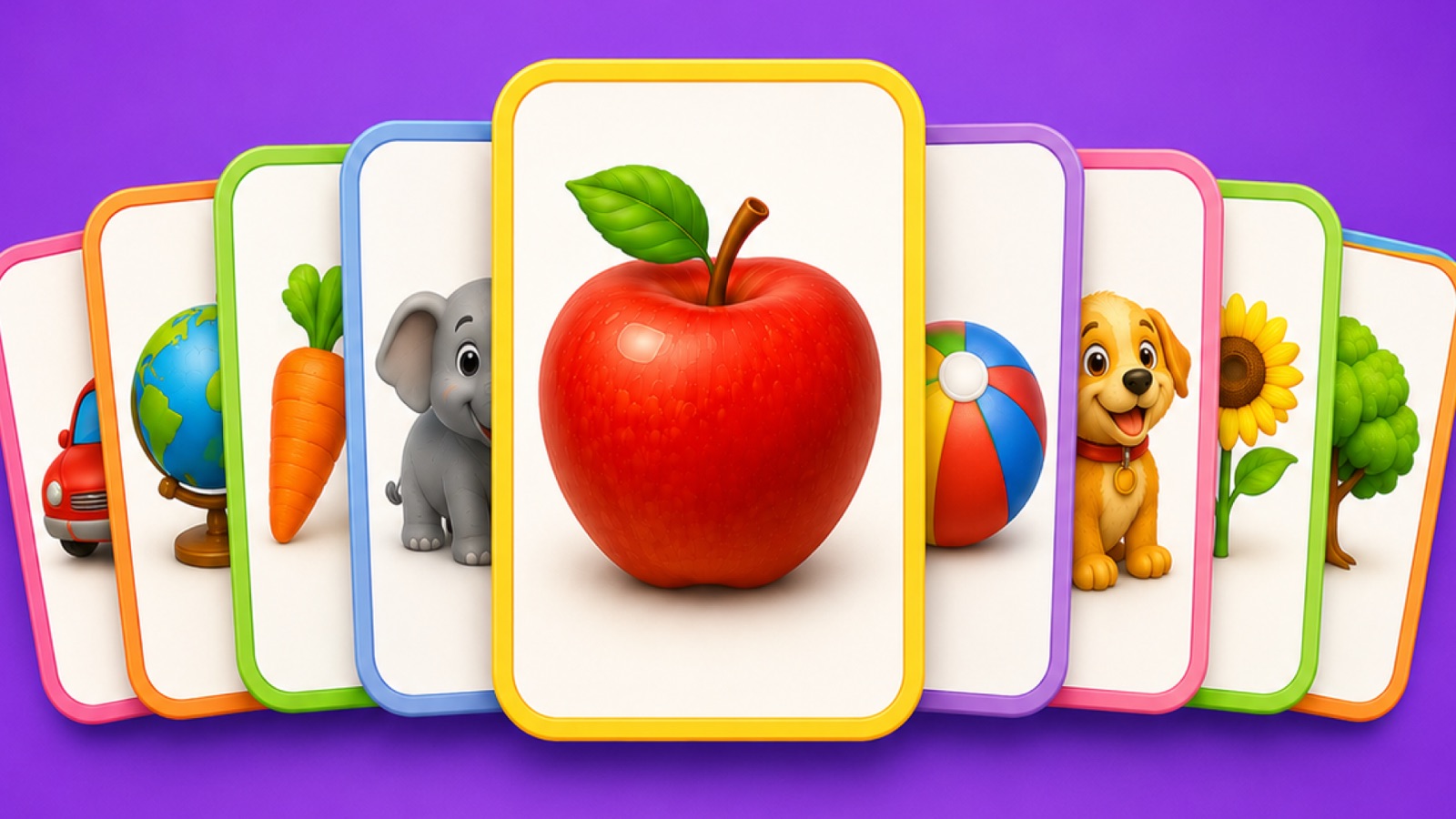
Write a big letter on paper and let your child trace it with a crayon, then decorate it with stickers, dots or drawings of things that start with that letter: an apple for “A”, a ball for “B”. Tracing builds the fine-motor control they'll need for writing later.
5. Play “I spy” with sounds
Once they know a few letters, switch to sounds: “I spy something that starts with mmm.” Connecting letters to their sounds is the first step towards reading, and the game works anywhere, from car rides to waiting rooms.
6. Keep screen time short and interactive
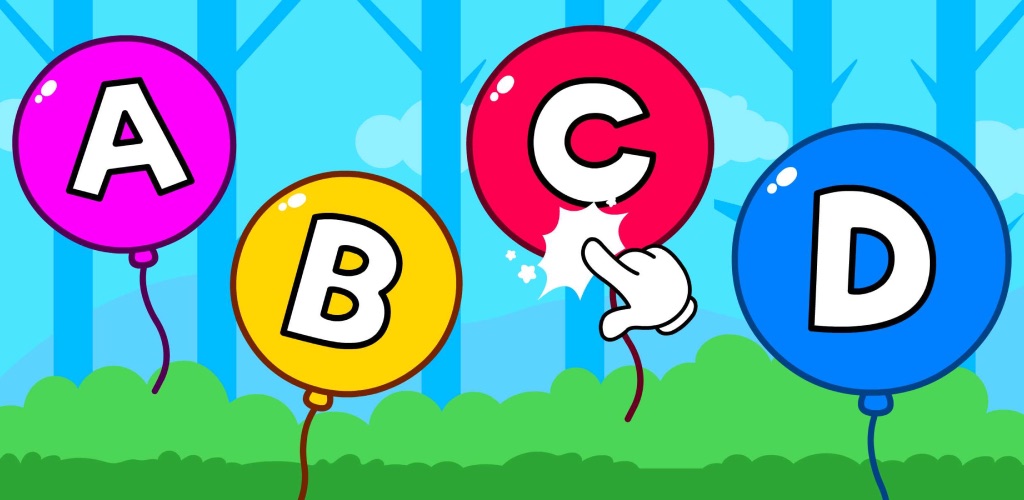
A well-designed learning app can add variety, especially for children who love tapping and hearing instant feedback. Look for apps without distracting ads that reward effort, and sit with your child when you can. Talking about what they see on screen makes the learning stick.
If you'd like an app that does this well, try our toddler game. It turns letters and numbers into tap-and-play activities with friendly sounds and animations.


A little every day goes a long way
There's no rush. Five or ten playful minutes a day beats a long session that ends in frustration. Follow your child's interest, celebrate small wins, and keep it fun. They'll learn the ABCs, and be singing, spotting and sounding out letters, before you know it.